Aug 2: SNA Quarterly Meeting

You are invited to Sunnyside Neighborhood Association’s August Quarterly Meeting.

Monday August 2nd, 2021, 6:30 – 8:00 PM via Zoom.

On the agenda: District 7 Supervisor Myrna Melgar is our guest for the meeting; she’ll share the D7 news and then take your questions. The Detroit Steps Project team will give an update. There will also be updates about the Balboa Reservoir Project, and the newly installed Slow Streets program on Hearst Avenue.

Meeting slides here (PDF 4 MB).

This image has an empty alt attribute; its file name is banner-crop.jpg
Continue reading “Aug 2: SNA Quarterly Meeting”

Slow Streets signage on Hearst Avenue going in

Today workers from the Dept of Public Works are installing the signage for Slow Streets on Hearst Avenue. As of midday, they have finished from Baden to Edna, which leaves Foerster to Ridgewood to be done. There are seven intersections total, and all will be well signed.

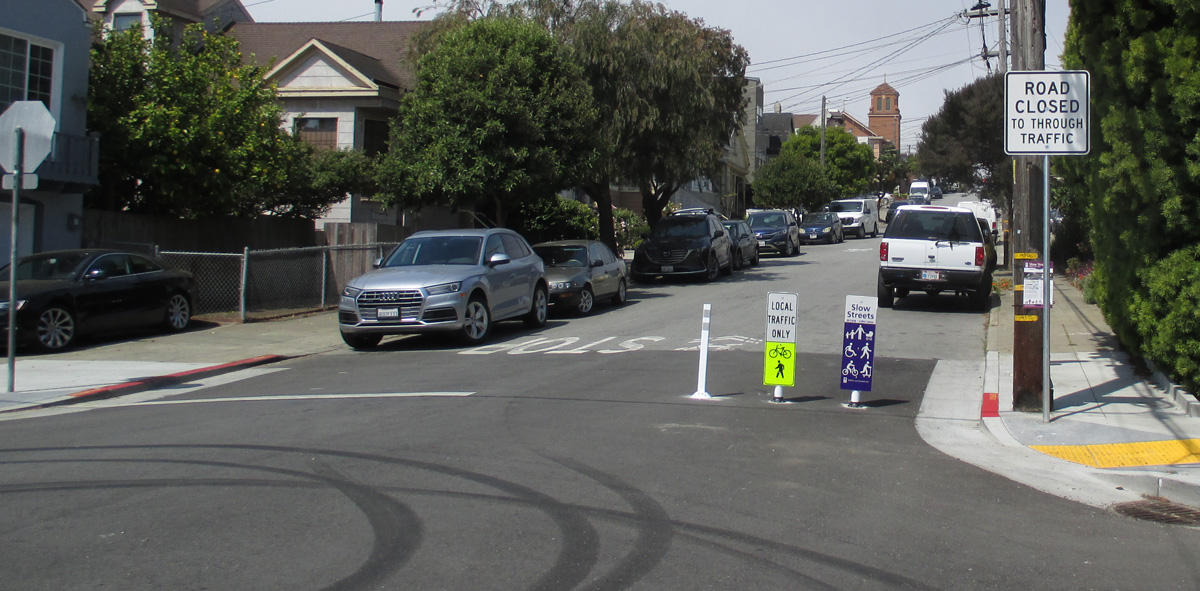
Detroit and Hearst. New Slow Streets signage. Photo: Sunnyside Neighborhood Association

The signage has two parts, three plastic soft-hit posts on the roadway with signs attached, and a large “ROADWAY CLOSED TO THROUGH TRAFFIC” on a standard metal pole in the sidewalk. Local access by residents and visitors is not in any way prohibited. Families traveling to and from local schools are likewise not impacted by the program.

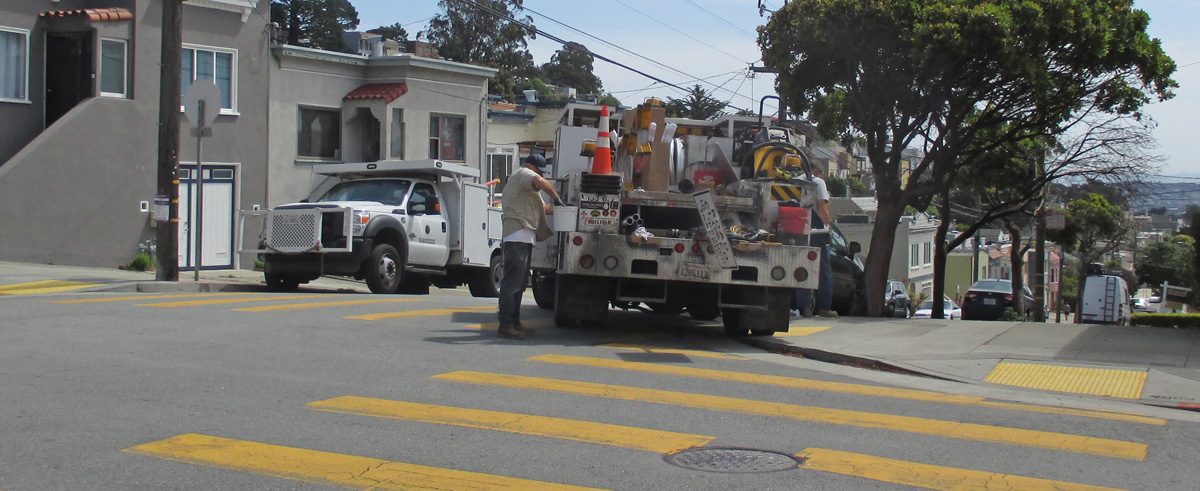
Edna and Hearst. DPW at work. Photo: Sunnyside Neighborhood Association

What is “Slow Streets”? From the SFMTA website:

The SFMTA’s Slow Streets program is designed to limit through traffic on certain residential streets and allow them to be used as a shared space for people traveling by foot and by bicycle. Throughout the city, nearly thirty corridors have been implemented as a Slow Street. On these Slow Streets, signage and barricades have been placed to minimize through vehicle traffic and prioritize walking and biking. The goal of the Slow Streets program is to provide more space for socially distant essential travel and exercise during the COVID-19 pandemic.

https://www.sfmta.com/projects/slow-streets-program
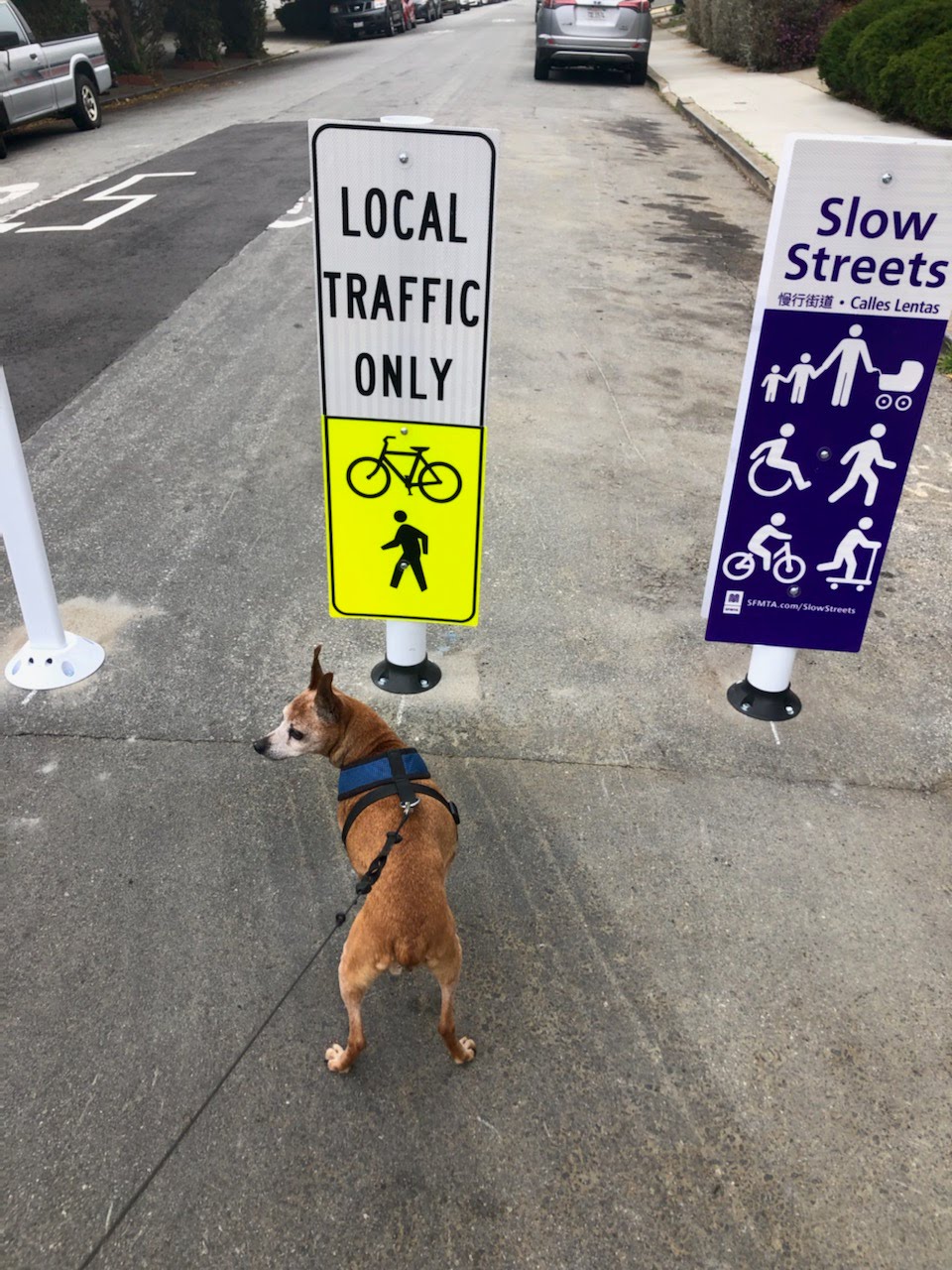
Isabel is checking out the new signs. Photo: Ken Hollenbeck
Continue reading “Slow Streets signage on Hearst Avenue going in”

Balboa Reservoir Project Design Open House on July 24

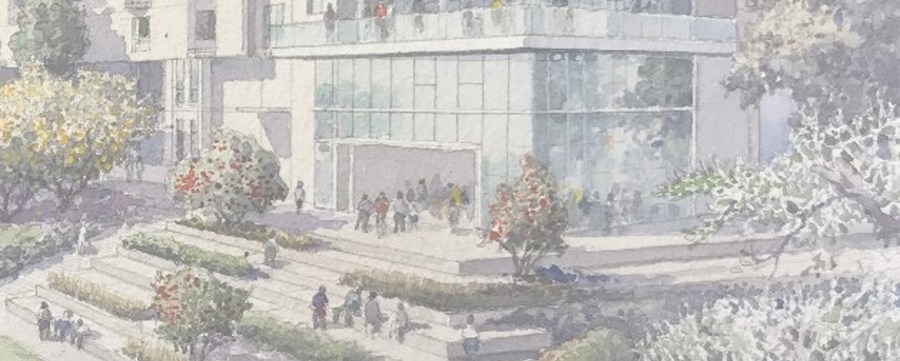
The design team for the Balboa Reservoir housing development will be presenting details about the design for the project. The event takes place on Saturday July 24, 2021, 10 AM to Noon, at Unity Plaza.

Anyone interested in the project is invited to attend the open house to view the materials and provide feedback.

This event will be focused on Phase 1, including two affordable housing buildings, two market-rate housing buildings, and Reservoir Park. The design team is using the Design Standards and Guidelines that have been approved for the project, and has been adding additional layers of detail to the park, the open spaces, and the buildings. Come hear directly from the design team and provide feedback that can be used to further refine these designs.

If you are unable to attend the meeting, poster boards will be posted to the Balboa Reservoir website and you will be able to email the design team your feedback.

VIEW SLIDES FROM OPEN HOUSE HERE (pdf). Info on how to submit feedback here.

Sign up to receive notices from the developer about the Balboa Reservoir project here (form at bottom of the page).

Cal Voices / Cal Hope support line

Although for many the Covid-19 pandemic is now creating less stress and difficulty in everyday life, for some there are still effects that continue to impact mental and emotional health. There is a network still available through the State that can help provide support and counselling assistance, and they invite you to call or connect via their website.

Cal Voices Crisis Counseling Assistance and Training Program (CCP) is a part of a network of organizations and individuals that are being trained to provide virtual support to Californians experiencing stress, anxiety, and/or trauma because of COVID-19.

Peer Crisis Counselors assist individuals and communities in recovering from the effects of COVID-19 by assisting Californians in understanding their current situation and reactions, mitigating stress, developing coping strategies, providing emotional support, and encouraging linkages to resources and longer term supportive services.

The flyer below has information about a telephone “warm line” that people can call if they are struggling due to COVID-19, as well as a link to our Live Chat feature where people can talk to Peer Crisis Counselors by chat. Although Cal Voices is based in Sacramento, many of us Peer Crisis Counselors work remotely throughout California.

Cal Voices line: 916-288-8535

https://www.calhopeconnect.org/

Continue reading “Cal Voices / Cal Hope support line”