
Complete guide to the Twin Peaks Tunnel closure on Jun 25

From SFMTA: Twin Peaks Tunnel will close next week for two months. Information and links for everything you need to know.

As you may already be aware, construction on the Twin Peaks Tunnel is expected to start on June 25 with a continuous closure of the tunnel for approximately two months.  Work will be 24 hours a day, 7 days a week. During the closure:

  • Forest Hill and West Portal stations will be closed,
  • The K Ingleside will travel on a shortened route
  • Bus service will run for the L Taraval and M Ocean View lines.
  • Nx buses will not operate during the closure, but additional N Judah trains will be in service.

See below for map of changes.

With 100 years of service under its belt, Twin Peaks Tunnel needs extensive work to its interior to continue to operate safety and reliably for years to come. This vital part of our transit rail system connects Castro Station to West Portal Station and serves over 80,000 K Ingleside, L Taraval and M Ocean View customers every day.

The tunnel’s infrastructure, including the tracks, walls and drainage systems, must be maintained in a timely manner to keep up with the demands of the Muni system. Twin Peaks Tunnel is currently under a speed restriction, which slows down trains as they travel through. Replacing the tracks will lift the tunnel’s speed restriction and keep trains running reliably through the system. Seismic reinforcements will better protect the tunnel’s overall structure and stability.

To help Muni customers get around during the closure, a video with map animations highlighting temporary stops, transfer points and alternative routes can be found online. In addition, a comprehensive rider guide in English, Chinese, Spanish and Filipino is available to view or print on our website.  Continue reading “Complete guide to the Twin Peaks Tunnel closure on Jun 25”
Traffic Calming for your block

From Supervisor Yee’s Office and SFMTA.

171108_rsd_cswk_07
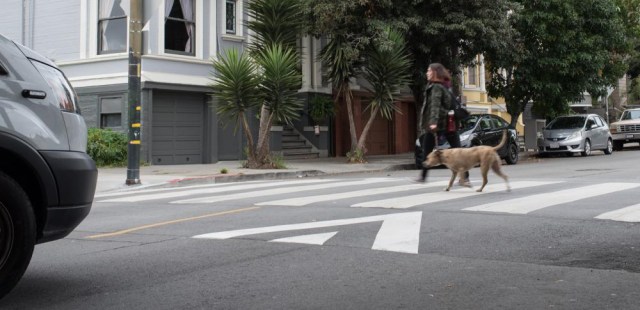
Speed hump and zebra crosswalk. Photo: SFMTA

SFMTA’s Residential Traffic Calming Program is a resident-directed, annual application-based program to address mid-block speeding on residential streets in San Francisco, and we are currently accepting applications for the 2018-2019 program.

The deadline for submitting completed applications and petitions for the 2018-2019 traffic calming program is June 30, 2018.    Continue reading “Traffic Calming for your block”

SFMTA hearing on Residential Parking Permit Program, Jun 5

The proposed changes to the Residential Parking Program may be of interest to Sunnysiders living in proximity to the proposed Balboa Reservoir housing project, as implementing parking permits may be part of future solutions to parking impacts due to the project’s new residents. Comment may be made at the meeting or by email (link at end).


SFMTA To Consider Residential Permit Parking Reforms On June 5, 2018

At its June 5th meeting, the SFMTA Board of Directors will consider proposed changes to San Francisco’s Residential Parking Permit (RPP) program. The meeting will be held at San Francisco City Hall (Room 400) @ 1 P.M. 

The SFMTA recently completed a comprehensive evaluation of the program, which combined extensive data collection and analysis with a robust public engagement process. As part of this evaluation, the SFMTA conducted more than a dozen community workshops, six open houses and meetings with neighborhood and business associations throughout the city to solicit community feedback about a range of possible reform measures.

 The list of proposed RPP Program changes to the Transportation Code are: Continue reading “SFMTA hearing on Residential Parking Permit Program, Jun 5”

SFMTA: Twin Peaks Tunnel Closure this Summer

From SFMTA: The Twin Peaks Tunnell will be closed for an extended period of time this summer for needed work. Read the full story here.

“…Construction will start in late June 2018 during a continuous closure of the tunnel for up to 60 days. During the closure, buses will replace trains on the K, L and M lines to ensure riders can still get where they are going….”